Composting at home is a rewarding way to reduce waste and enrich your garden soil naturally. If you’re new to composting, it might seem complex at first, but with a few simple steps, you can create a thriving compost pile right in your backyard or even indoors. This guide will walk you through the basics and offer beginner-friendly tips for successful home composting.
What Is Composting and Why Start?
Composting is the natural process of recycling organic material—like food scraps and yard waste—into a rich soil amendment called compost. Compost improves soil health, helps plants grow, and reduces the amount of waste sent to landfills. Starting composting at home is an eco-friendly choice that benefits your garden and the environment.
Choosing the Right Composting Method
Before you begin, decide where and how you want to compost. Here are common options:
Outdoor Compost Bins
– Ideal for those with a yard.
– Different types: tumblers, stationary bins, or simple piles.
– Requires space and some maintenance.
Indoor Composting
– Perfect for apartments or small spaces.
– Options include worm composting (vermicomposting) or bokashi systems.
– Requires smaller amounts of material but can be very effective.
Which One’s Right for You?
Consider your available space, the amount of organic waste you produce, and how much effort you want to put in.
Getting Started: What to Compost and What to Avoid
What to Compost
– Fruit and vegetable scraps
– Coffee grounds and filters
– Eggshells (crushed)
– Grass clippings and leaves
– Shredded newspaper or cardboard
– Small amounts of wood chips or sawdust
What to Avoid
– Meat, dairy, and oily foods (can attract pests)
– Pet waste (may carry harmful bacteria)
– Diseased plants
– Weeds with seeds
– Treated or painted wood products
Balancing “Greens” and “Browns”
Successful composting depends on the right mix of “greens” and “browns.”
– Greens: Nitrogen-rich materials like vegetable scraps, coffee grounds, and fresh grass clippings.
– Browns: Carbon-rich materials like dry leaves, shredded paper, and cardboard.
A balanced ratio helps the compost break down quickly and without unpleasant odors. Aim for roughly 2 to 3 parts browns to 1 part greens.
Step-by-Step Guide to Building Your Compost
- **Select your spot**: Choose a shaded, well-drained area or a suitable bin.
- **Add your materials**: Start with a layer of coarse browns like twigs for airflow.
- **Alternate layers**: Add a layer of greens, then browns, and continue layering.
- **Keep it moist**: The pile should be damp like a wrung-out sponge, not soaking wet.
- **Turn the pile**: Every 1–2 weeks, mix the compost to aerate and speed decomposition.
- **Be patient**: Composting can take 3–6 months depending on conditions.
Tips for Troubleshooting Common Issues
– Bad odors: Usually caused by too many greens or wet conditions. Add more browns and turn the pile.
– Slow decomposition: Add water if dry, turn the pile more often, or chop materials into smaller pieces.
– Pests: Avoid meat and oily foods; cover food scraps with browns.
Using Your Finished Compost
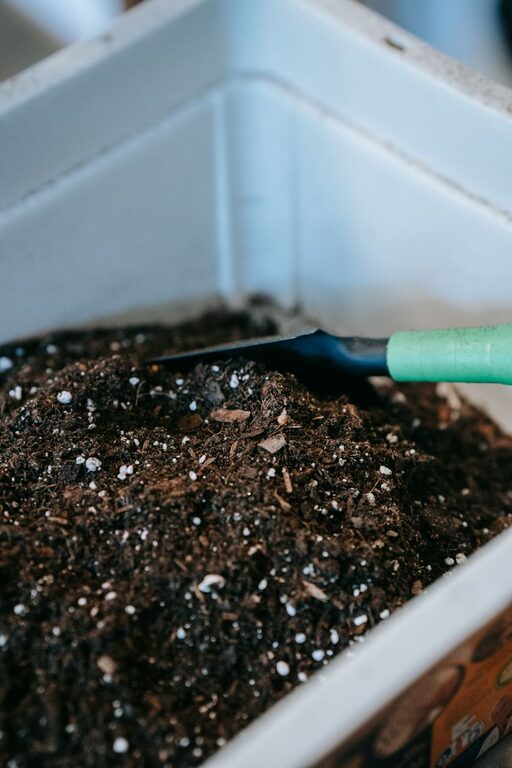
Your compost is ready when it’s dark, crumbly, and smells like earth. Use it to:
– Enrich garden beds
– Mix into potting soil
– Fertilize lawn areas
– Mulch around trees and shrubs
Extra Tips for Beginners
– Use a compost thermometer to monitor temperature.
– Chop or shred larger scraps to speed up decomposition.
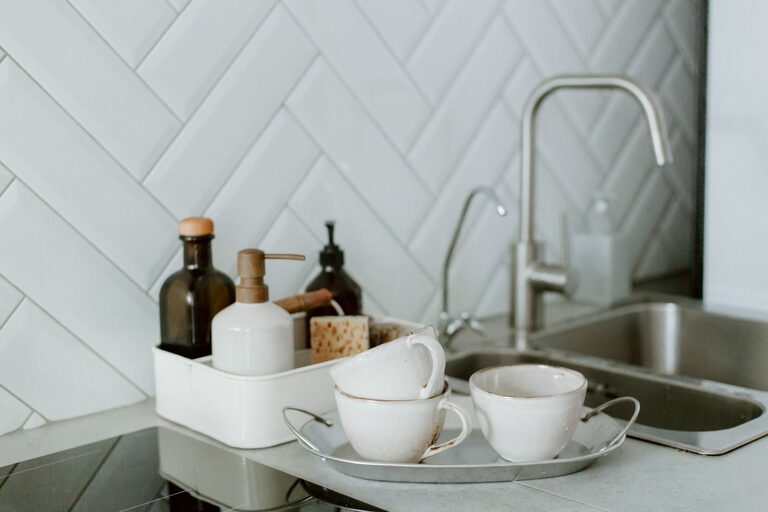
– Collect kitchen scraps in a small container with a lid for easy transport.
– Consider starting a worm bin if space is limited.
– Stay consistent—regular additions and turning yield the best results.
Final Thoughts
Composting at home is a simple yet powerful way to reduce waste and improve your garden’s health. Start small, stay patient, and enjoy watching your kitchen scraps transform into nutrient-rich soil. With these beginner tips, you’re well on your way to becoming a confident home composter.
Happy composting!
About the Author