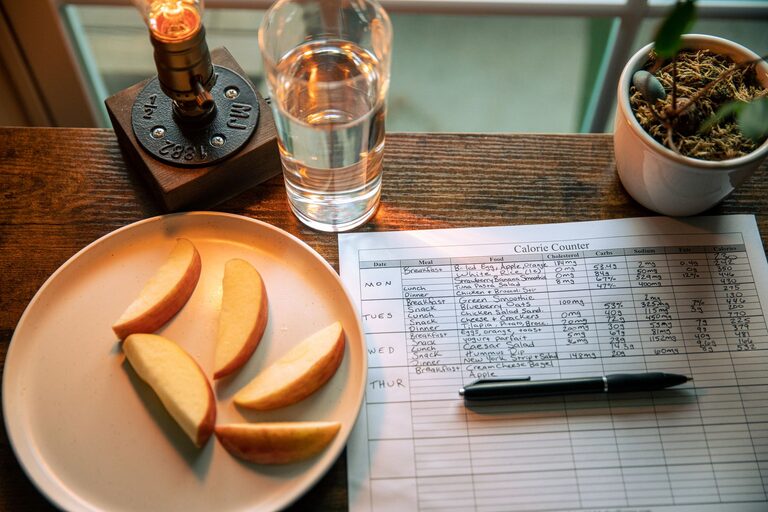
Planning balanced meals can feel overwhelming, especially with busy schedules and all the information available about nutrition. But it doesn’t have to be complicated or stressful. With a few straightforward steps, you can create meals that nourish your body and satisfy your taste buds without spending hours in the kitchen. This guide will help you plan balanced meals with ease and confidence.
What Is a Balanced Meal?
A balanced meal typically includes a variety of foods in the right proportions to provide essential nutrients like carbohydrates, protein, healthy fats, vitamins, and minerals. The goal is to fuel your body and support overall health.
Key Components of a Balanced Meal
– Vegetables and Fruits: Make up a large portion of your plate. They provide fiber, vitamins, and antioxidants.
– Protein: Choose lean options like chicken, fish, beans, tofu, or eggs to help build and repair tissues.
– Whole Grains: Brown rice, quinoa, whole wheat pasta, and oats provide energy and fiber.
– Healthy Fats: Include sources such as olive oil, nuts, seeds, and avocado for heart health.
– Dairy or Dairy Alternatives: Optional, for calcium and vitamin D.
Steps to Plan Balanced Meals Easily
1. Start with a Weekly Meal Plan
Planning your meals for the week helps you stay organized and reduces last-minute stress.
– Choose 3-4 dinner recipes you enjoy.
– Include simple lunches and breakfasts.
– Plan for leftovers to save cooking time.
2. Make a Shopping List Based on Your Plan
Having a list helps you avoid impulse buys and ensures you have all ingredients.
– Check your pantry and fridge first.
– Group items by category (produce, dairy, grains).
– Stick to the list as much as possible.
3. Use the Plate Method for Portioning
The plate method is a simple visual guide to balance your meals.
– Fill half your plate with non-starchy vegetables.
– Fill one-quarter with protein.
– Fill one-quarter with whole grains or starchy vegetables.
– Add a small portion of healthy fats.
4. Prep Ingredients Ahead of Time
Preparing ingredients in advance saves time during the week.
– Wash and chop vegetables.
– Cook grains or proteins in bulk.
– Portion snacks and fruits.
5. Keep Healthy Staples on Hand
Stock your kitchen with versatile ingredients that make meal prep easier.
– Frozen vegetables and fruits
– Canned beans and tomatoes
– Whole grains like brown rice and quinoa
– Spices and herbs
Tips to Reduce Stress When Planning Meals
Keep It Simple
You don’t need complicated recipes every day. Focus on whole foods and balanced portions.
Rotate Your Favorites
Having a list of go-to meals can simplify decision-making.
Allow Flexibility
It’s okay to swap meals or eat out occasionally without guilt.
Use Technology
Meal planning apps or digital calendars can help you organize and remind you of meal tasks.
Sample Balanced Meals to Try
Breakfast
– Greek yogurt with fresh berries and a sprinkle of nuts
– Oatmeal topped with banana slices and chia seeds
– Whole-grain toast with avocado and a boiled egg
Lunch
– Mixed green salad with grilled chicken, quinoa, and a vinaigrette
– Lentil soup with whole wheat bread
– Veggie wrap with hummus and a side of fruit
Dinner
– Baked salmon with roasted sweet potatoes and steamed broccoli
– Stir-fried tofu with brown rice and mixed vegetables
– Turkey chili served with a side of mixed salad
Final Thoughts
Planning balanced meals doesn’t have to be a source of stress. By organizing your week, keeping meal prep simple, and focusing on nutrient-rich ingredients, you’ll feel more in control and enjoy healthier eating habits. Small, consistent steps make a big difference over time.
Try these tips and find a rhythm that works best for you and your lifestyle. Happy cooking!
About the Author